
01
Designation and registration
Recognised artisan designations awarded against published competency frameworks, with an application, evidence review and appeal process at every category.

APASA was established to close a gap that has been open for decades: South Africa produces skilled artisans, and then leaves them without the professional standing that would make that skill visible and portable.
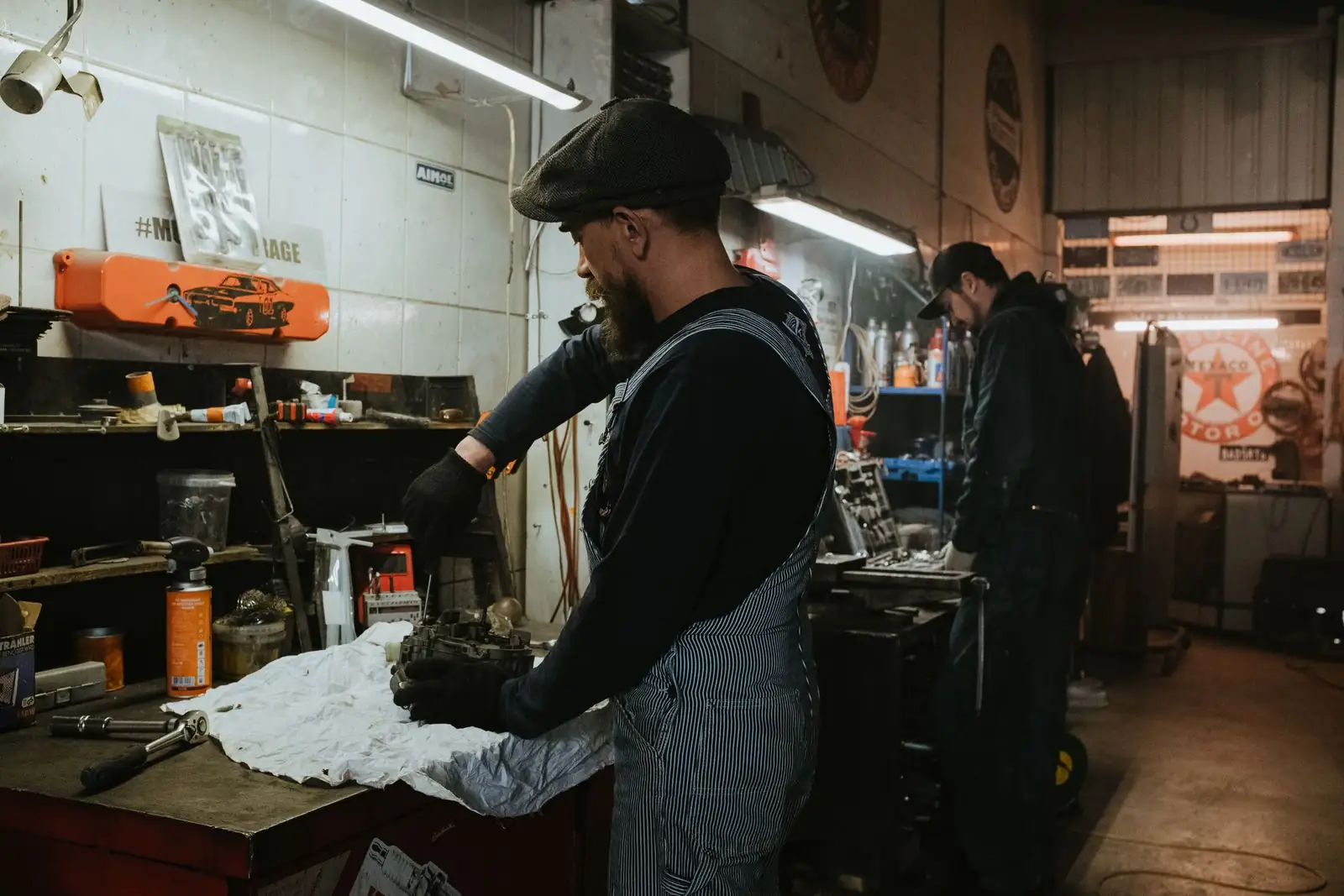
The association is modelled on Germany’s Handwerkskammer, the chamber of skilled crafts, a structure that has carried the standing of German trades for well over a century. That model is adapted here to South African law, the National Qualifications Framework and the SETA and QCTO landscape rather than transplanted whole.
What that means in practice is a body that does three things at once. It sets the competency standard for admission. It keeps a register that anyone can check. And it holds its members to a code of conduct with a process for complaints and appeal. Those three together are what separates a professional body from a membership club.
Five commitments, set out at the founding and carried into every part of the association's work.
A single, unified voice for qualified artisans, so that the value of the trade is argued for in the rooms where skills policy is actually decided.
Career advancement through structured training, mentorship and a continuing development cycle that does not stop at the trade test.
Practical assistance with workplace and labour matters, and access to the networks and resources that have historically been closed to the trade.
A published code of conduct, competency frameworks against which registration is awarded, and a process for complaints and appeal.
Partnerships with chambers and trade bodies abroad, so that a South African artisan's standing is legible outside the country as well as inside it.

A register that anyone can check, and a code of conduct that means something when they do.
Recognised artisan designations awarded against published competency frameworks, with an application, evidence review and appeal process at every category.
An annual CPD cycle that keeps trade competence current and verifiable, with points earned across formal training, workplace practice and industry contribution.
Confirmation that a person holding themselves out as an artisan is qualified, competent and in good standing, available to employers and to the public.
Structured support for experienced workers who hold the skill but not the paperwork, from evidence preparation through to trade test registration.
Representation of artisan interests in national skills, qualifications and quality assurance forums, and at provincial and district level.
The association is governed by an elected executive drawn from the trades and from industry, accountable to the membership.
President and Founder
Leads the association's professional body application and its engagement with the skills authorities.
Deputy President
Secretary
Governance, registration records and the administration of the code of conduct.
Treasurer
Finance, fee administration and the association's reporting obligations.